

What is an MVNO? Cheaper phone plans on the big networks
MVNOs sell service on Verizon, AT&T and T-Mobile towers for much less. Here is how they work, which network each uses and the tradeoffs.

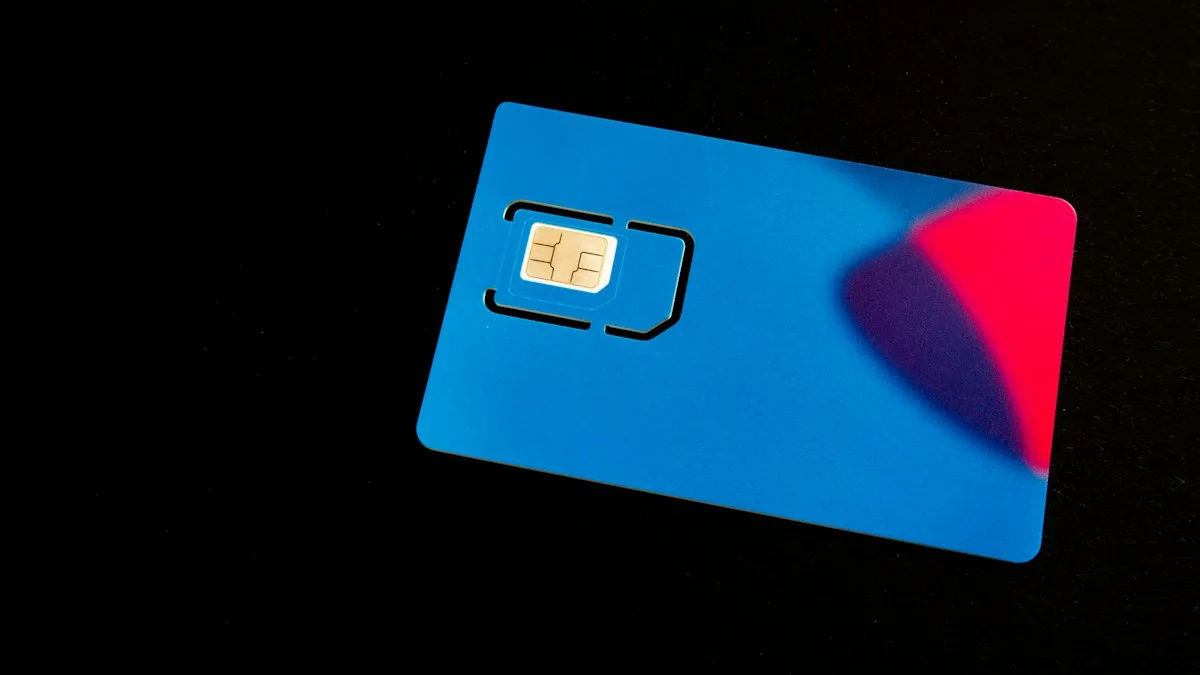
Photo by camilo jimenez on Unsplash
If you have looked at Mint Mobile, Visible, Cricket or Google Fi and wondered how they can charge half of what Verizon or AT&T charge, the answer is that they are MVNOs or budget brands. They use the same towers as the big three, cut costs on stores and support, and pass the savings to you. Here is what that means in practice.
MVNO meaning in plain English
MVNO stands for mobile virtual network operator. “Virtual” means the company has no network of its own. The companies that do own networks, called MNOs (mobile network operators), are Verizon, AT&T and T-Mobile in the US. An MVNO buys access to one of those networks in bulk and sells plans under its own brand, with its own prices, app and customer service.
When you make a call on an MVNO, your phone connects to the host carrier’s towers exactly like a customer of that carrier. Your signal bars and coverage map are the same. What changes is price, priority on the network and the extras included.
Which network does each cheap carrier use?
Ownership has changed a lot in recent years, and many lists online are out of date. As publicly reported in 2026:
- Verizon network: Visible, Total Wireless and Straight Talk (all owned by Verizon), plus Xfinity Mobile and Spectrum Mobile from the cable companies.
- T-Mobile network: Mint Mobile and Metro by T-Mobile (both owned by T-Mobile), plus Google Fi.
- AT&T network: Cricket Wireless (owned by AT&T).
- More than one network: some MVNOs, such as US Mobile and Consumer Cellular, offer service on different host networks, so ask which one your line uses.
MVNO vs MNO: the difference
- Towers: the MNO owns and runs them; the MVNO rents access.
- Coverage: the same where the MVNO has access to the host network, though a few MVNOs do not include roaming partners the host carrier uses in rural areas.
- Priority: the MNO’s premium customers usually come first on busy towers.
- Plans: MNOs focus on postpaid with bundles and phone deals; MVNOs focus on simple prepaid plans.
- Support: MNOs have stores; MVNOs mostly use apps, chat and phone support.
Why MVNOs are cheaper
- They do not build or maintain towers.
- Most have few or no retail stores, and support is mainly online or by chat.
- Plans are prepaid, so there are no credit checks, bad debt or device financing costs.
- They rarely offer free phone deals, which carriers fund through higher plan prices.
- Their data can be given lower priority, which lets the host carrier sell spare capacity cheaply.
What is deprioritization?
When a tower is busy, such as at a stadium, a concert or rush hour downtown, the network has to decide who gets the fastest speeds. Customers on premium postpaid plans usually go first. MVNO and budget customers can be pushed back, so pages load more slowly until the crowd thins. On a normal day in a normal place most people never notice. If you often use your phone in crowded places, or rely on it for work video calls, it matters more.
Some MVNOs sell premium plans with better priority. Check the plan details for words like “premium data” or “priority data”.
What you give up with an MVNO
- Hotspot: often limited to a set amount or slower speed.
- International roaming: may be missing or costly; many plans include Mexico and Canada but little else. A travel eSIM usually fills the gap.
- Stores: you set up the line yourself with an eSIM or a mailed SIM.
- Phone deals: you usually bring your own unlocked phone.
- Perks: streaming bundles and upgrade programs are rarer.
- Video quality: some plans limit streaming video to standard definition.
Do iPhone and Galaxy features work on an MVNO?
Mostly yes. The big MVNOs support eSIM, 5G, Wi-Fi Calling and visual voicemail on current iPhones and Galaxy phones, but support varies by brand and phone model, so check the MVNO’s help pages before you switch. Features that depend on the carrier, such as specific 5G bands or satellite texting partnerships, may not carry over. iMessage and FaceTime work the same on any carrier because they run over data.
If you rely on one feature, like Wi-Fi Calling because your home has weak signal, search the MVNO’s site for it by name before signing up. It takes two minutes and avoids a surprise after the move.
Is an MVNO worth it?
For most people who use their phone mainly on Wi-Fi at home and work, and a moderate amount of data outside, yes. For a single line, many MVNO plans cost well under half the price of a premium postpaid unlimited plan, and over a year the difference easily reaches hundreds of dollars. It is less of a fit if you need lots of hotspot data, travel internationally often, or regularly use your phone in packed venues. See prepaid vs postpaid for the full comparison.
How to choose an MVNO
- 1
Pick the network first
Ask neighbors or check coverage maps for where you live and work. The best MVNO is one that uses the strongest network in your area.
- 2
Check your data use
Look at the last few months in your phone’s settings to see whether you need a small plan or unlimited.
- 3
Compare the final price
Look at taxes and fees, whether you must prepay several months, and what the price becomes after any intro deal.
- 4
Read the fine print
Check hotspot limits, video quality, priority, and whether Wi-Fi Calling and visual voicemail work on your phone.
- 5
Check your phone
Make sure it is unlocked and compatible with the host network.
How to switch to an MVNO
- 1
Confirm your phone is unlocked
If it came from a carrier, it must be paid off and unlocked. See how to check if your phone is unlocked.
- 2
Run the compatibility check
Enter your IMEI on the MVNO’s site. See checking carrier compatibility.
- 3
Get your account number and transfer PIN
Your old carrier provides them. See how to get a number transfer PIN.
- 4
Sign up and activate
Choose to keep your number, then install the eSIM or insert the SIM. The old line cancels automatically once the number moves.
Common mistakes when switching to an MVNO
- Canceling the old line first: this can release your number. Let the port cancel it for you.
- Picking the wrong network: a cheap plan is no bargain if the host network is weak at your home or office.
- Missing the renewal price: intro prices and multi-month prepaid deals often renew at a higher rate.
- Forgetting a watch or tablet: cellular watch plans may not be supported, so check before you move.
- Using a locked phone: the MVNO SIM or eSIM will not activate until the old carrier unlocks it.
Many MVNOs offer a trial eSIM or a short, cheap first month. Using it for a week alongside your current line, on an iPhone or Galaxy with dual SIM, is the easiest way to test speeds at home and work before moving your number.
Are MVNOs safe and reliable?
Yes. The big-name MVNOs have millions of customers, and your calls and texts travel over the same network as the host carrier’s. The main risks are the same as any carrier: SIM swap scams and number porting fraud. Protect your account with a strong password, two-factor authentication and, where offered, a number lock or port protection setting in the app.
Frequently asked questions
Is Mint Mobile an MVNO?
Yes. Mint Mobile runs on the T-Mobile network, and T-Mobile has owned it since 2024. It still sells its own prepaid plans, usually paid for several months at a time.
Do MVNOs have worse coverage?
No. Coverage is the same as the host network because you use the same towers. What can differ is speed at busy times, because MVNO data can be deprioritized.
Can I keep my number with an MVNO?
Yes. MVNOs port numbers from any US carrier. You need your account number and a number transfer PIN from your current carrier.
Does my phone work with an MVNO?
Most unlocked phones do. The phone must be unlocked and support the host network’s bands, which you can check with the MVNO’s online compatibility checker.
What is a virtual mobile carrier?
It is another name for an MVNO. It sells phone service but rents network access from Verizon, AT&T or T-Mobile instead of owning its own towers.
Which MVNOs use the Verizon network?
Visible, Xfinity Mobile and Spectrum Mobile all run on Verizon’s network. Check each carrier’s coverage map before switching, because speed and priority can differ from Verizon’s own plans.
What to try next
Related guides

Best iPhone for seniors
Choosing an iPhone for a parent or grandparent? Check screen size, Face ID or Touch ID, software support, battery and safety features, then set it up simply.
eSIM on a locked iPhone
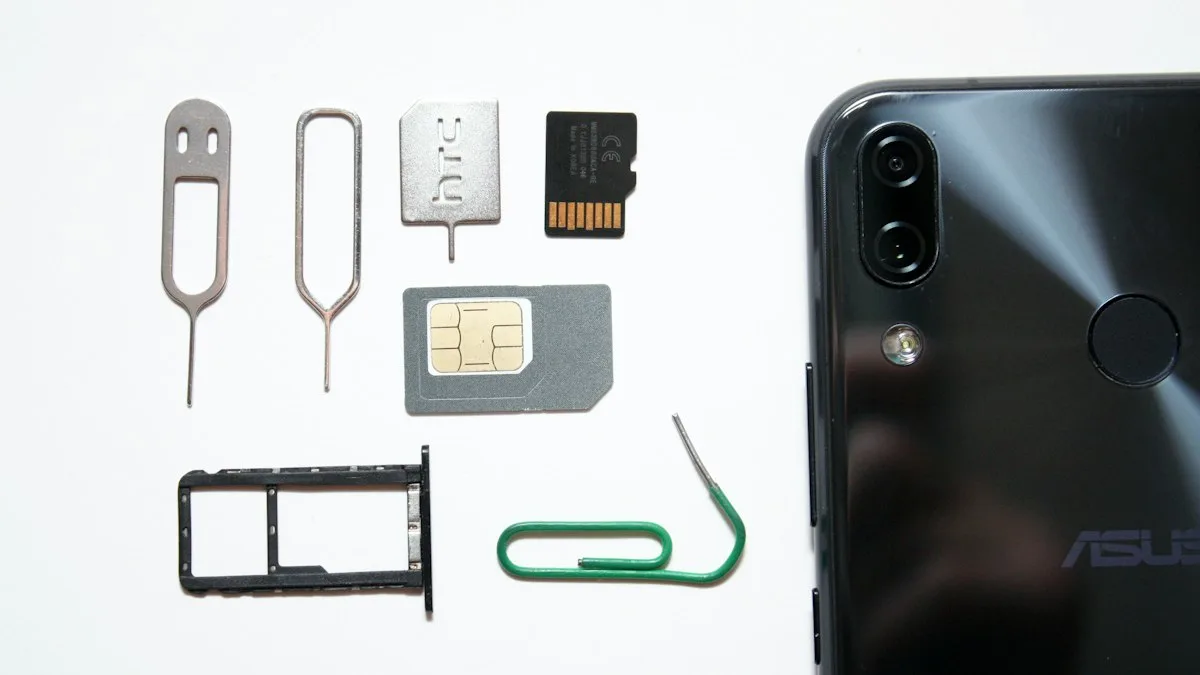
A carrier locked iPhone only takes an eSIM from its own carrier. See how to check the lock in Settings, why a travel eSIM will not activate, and how to unlock.

iOS and Android updates tracker
The latest iPhone and Android software updates in one place: iOS 27.0.1 fixes, Pixel update dates, who can update, and our guides for problems after an update.
Which iPhones support eSIM
Every iPhone with eSIM support, from the XS and XR to the newest models. See if your iPhone 12 or 13 works, which are eSIM only, and how to check yours.
More guides you may need
What is 5G UC
5G UC is T-Mobile’s fastest 5G, called 5G UW on Verizon and 5G+ on AT&T. What the icon means, how fast it is and how it differs from plain 5G.
Which iPhones support eSIM
Every iPhone with eSIM support, from the XS and XR to the newest models. See if your iPhone 12 or 13 works, which are eSIM only, and how to check yours.