

Unlocked phone vs carrier phone: which should you buy?
Carrier deals look cheaper up front but tie you in for two or three years. Unlocked phones cost more at first and set you free.
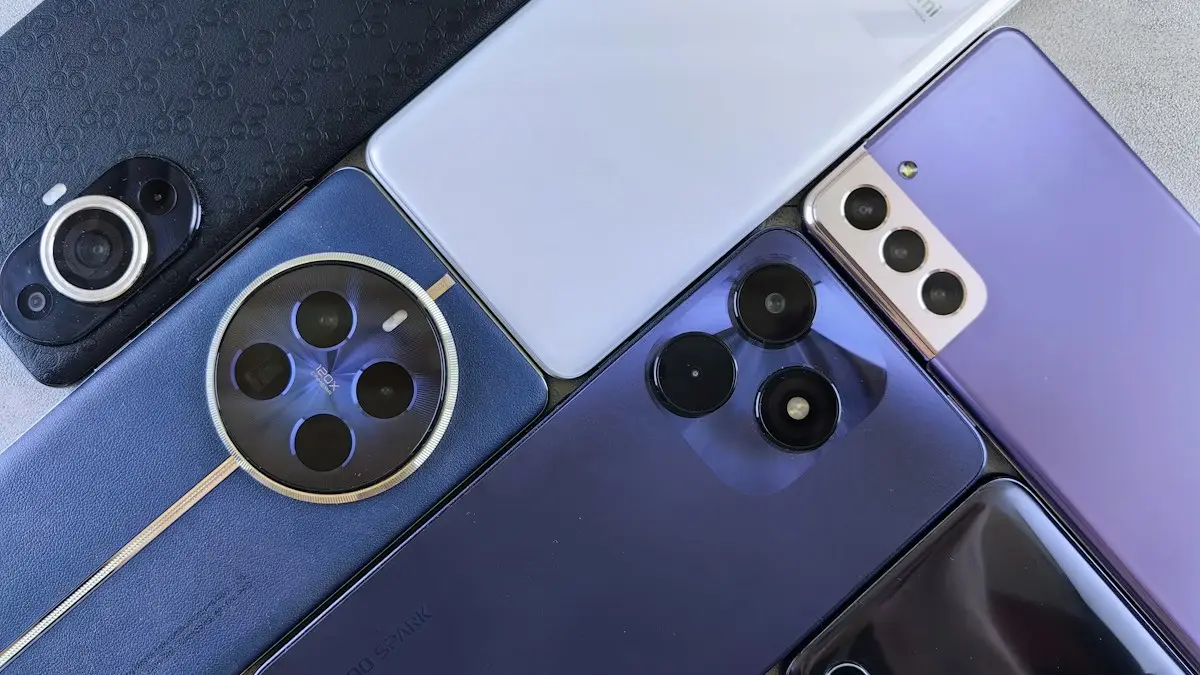
Photo by Franck on Unsplash
With the iPhone 18 and new Galaxy phones out, many people are deciding how to buy. Carrier ads promise free or heavily discounted phones, while buying unlocked means paying the full price. The right choice depends less on the phone and more on your plan, how long you keep phones, and whether you might switch carriers. Here is the honest comparison, with the math.
Unlocked phone vs carrier: the key differences
- Price: unlocked means full price, paid up front or in installments. Carrier deals discount the phone, usually as monthly bill credits.
- Freedom: unlocked works with any compatible carrier from day one. Carrier phones are locked until paid off and the waiting period passes.
- Plan: carrier deals usually require a specific, often more expensive, unlimited plan. Unlocked lets you use any plan, including cheap prepaid.
- Commitment: leaving early on a carrier deal makes the remaining balance due and stops the credits.
- Resale: unlocked phones sell for more, and you can sell anytime.
- Software: some carrier Android phones include extra apps and may get updates later than unlocked versions.
How carrier deals really work
A “free” phone from a carrier is usually charged in full over 24 to 36 monthly installments, then matched by monthly bill credits of the same amount. As long as you stay on an eligible plan for the whole period, the phone costs you nothing extra. If you switch plans, leave early or pay the phone off, the credits stop and you owe what is left. Trade-in deals work the same way: the big trade-in value is paid as credits over the same period.
The catch is the plan. Deals usually need one of the carrier’s pricier unlimited plans. Over three years, the difference between that plan and a cheaper one can add up to more than the phone discount itself. Add those numbers before deciding.
Do the math
- 1
Carrier route: add up the required plan price for 36 months (or the credit period), plus taxes and fees, minus any trade-in credit.
- 2
Unlocked route: add the phone price to 36 months of the plan you would actually choose, such as a prepaid plan, minus what you get by selling your old phone.
- 3
Compare the totals, and remember the unlocked phone is yours outright and can be sold at any time.
For people who would pick a cheaper prepaid plan, unlocked often wins by a wide margin. For people who want a premium unlimited plan anyway and keep phones three years, the carrier deal can win.
A worked example
These numbers are only an illustration; plug in real prices from your carrier and the plan you would pick. Say a new phone costs $1,000. The carrier offers it free with bill credits over 36 months, but only on an unlimited plan that costs $90 a month after taxes and fees. Over 36 months that is $3,240, and the phone is included.
Now buy the same phone unlocked for $1,000 and use a prepaid plan that costs $40 a month with taxes included. Over 36 months that is $1,440 for service, or $2,440 in total. You save $800, and you can still sell the phone whenever you like. If the carrier plan was one you wanted anyway, for its perks or hotspot data, the gap shrinks. If you would have paid $70 for a similar plan elsewhere, the carrier deal can come out ahead. The point is to compare totals, not headlines.
Hidden costs of carrier deals
- Activation or upgrade fees: many carriers charge a one-time fee per line when you buy a phone, which is easy to miss in the ad.
- Plan lock-in: moving to a cheaper plan during the credit period can stop the credits.
- Early upgrades: upgrading before the period ends usually means paying off the old phone or trading it back.
- Trade-in condition: if the phone you send in fails inspection, the promised credit can be reduced.
- Leaving: if coverage turns out poor where you live, switching means paying the remaining phone balance.
Is a carrier iPhone different from an unlocked iPhone?
No. Apple sells one US model of each iPhone, and the hardware, cameras and 5G support are the same whether you buy it from Apple or from Verizon, AT&T or T-Mobile. Updates come from Apple at the same time for everyone. The only difference is the carrier lock and how you pay. Recent US iPhones use eSIM only, so moving to another carrier is done digitally once the phone is unlocked. See transferring your eSIM to a new iPhone.
On Android the picture is a little different. Carrier versions of Galaxy phones can include the carrier’s apps and may receive monthly updates a bit later because the carrier tests them first. The unlocked version gets updates directly from Samsung or Google.
Buying a used unlocked phone
A used unlocked phone can be the cheapest option of all, but check it before you pay. Ask for the IMEI and run it through a blacklist check, confirm the seller has signed out of Apple ID or Google account so there is no activation lock, and test calls and data with your SIM. See how to check if a phone is stolen. A listing that says “unlocked” is not proof; test it with your carrier.
Choose unlocked if
- You want a cheaper prepaid plan or might switch carriers.
- You travel abroad and want to use local SIMs or travel eSIMs.
- You like to sell or upgrade before two or three years are up.
- You want a clean Android phone without carrier apps.
- You can pay up front or use interest-free financing from Apple, Samsung or a retailer.
Choose a carrier deal if
- You are happy with the carrier and its premium plan for the next two to three years.
- You are trading in a valuable phone and the promotion is generous.
- You are adding a new line or switching to the carrier, when deals are often biggest.
- You want the phone’s cost spread over time with no separate financing.
Where to buy unlocked in the US
- Apple: every iPhone bought from Apple without a carrier activation is unlocked. Apple offers monthly installments and trade-in credit applied at purchase.
- Samsung: sells unlocked Galaxy models, usually with model numbers ending in U1, with frequent trade-in deals and financing.
- Google: sells unlocked Pixel phones directly and through retailers.
- Best Buy, Amazon and Walmart: sell unlocked models; make sure the listing says unlocked, not a specific carrier.
- Refurbished: Apple Certified Refurbished and other reputable sellers offer unlocked phones for less. See how to tell if an iPhone is refurbished.
Already have a carrier phone?
Once it is paid off and the waiting period is over, ask your carrier to unlock it for free. Under 2026 rules, Verizon unlocks postpaid phones once paid off, AT&T after 60 days and full payment, and T-Mobile after 40 days and full payment. See how to unlock a Samsung from your carrier or how to unlock an iPhone from your carrier. After that it works like any unlocked phone.
Resale value
Unlocked phones fetch more on Swappa, eBay and in trade-ins, because any buyer can use them. A phone locked to a carrier, or with a balance still owed, sells for less and to fewer buyers. If you upgrade every year or two, that difference helps make up for paying full price. See how much your iPhone is worth.
The bottom line
If you care most about a low monthly bill and freedom, buy unlocked and pair it with a cheaper plan. If you already pay for a premium plan and plan to stay put, a carrier deal can be excellent value. Either way, compare the total cost over the whole period, not the monthly phone payment alone.
Frequently asked questions
Is an unlocked phone the same as a carrier phone?
The hardware is usually the same for iPhone and flagship Galaxy and Pixel models. The difference is the lock, the payment method and, on some Android phones, preinstalled carrier apps.
Can I finance an unlocked phone?
Yes. Apple offers monthly installments with Apple Card and other financing, and Samsung, Best Buy and Amazon offer payment plans too, without tying you to a carrier.
Do unlocked phones get updates faster?
iPhones get updates at the same time either way. Unlocked Android phones can receive updates without waiting for carrier approval, which is sometimes faster.
Will an unlocked phone work on my carrier?
US unlocked iPhones, Galaxy and Pixel phones work on Verizon, AT&T, T-Mobile and their prepaid brands. Check other models with your carrier’s compatibility checker.
What to try next
Related guides

Best iPhone for seniors
Choosing an iPhone for a parent or grandparent? Check screen size, Face ID or Touch ID, software support, battery and safety features, then set it up simply.
eSIM on a locked iPhone
A carrier locked iPhone only takes an eSIM from its own carrier. See how to check the lock in Settings, why a travel eSIM will not activate, and how to unlock.
iOS and Android updates tracker
The latest iPhone and Android software updates in one place: iOS 27.0.1 fixes, Pixel update dates, who can update, and our guides for problems after an update.
Which iPhones support eSIM
Every iPhone with eSIM support, from the XS and XR to the newest models. See if your iPhone 12 or 13 works, which are eSIM only, and how to check yours.
More guides you may need
What is 5G UC
5G UC is T-Mobile’s fastest 5G, called 5G UW on Verizon and 5G+ on AT&T. What the icon means, how fast it is and how it differs from plain 5G.

AirTag vs Tile
AirTag vs Tile compared on phone support, network size, precision finding, alerts, battery and cost. See which tracker fits your iPhone or Android.