

iPhone storage full? 9 ways to free up space without deleting photos
When your iPhone says storage is almost full, photos are rarely the only culprit. Start with the space you will never miss.
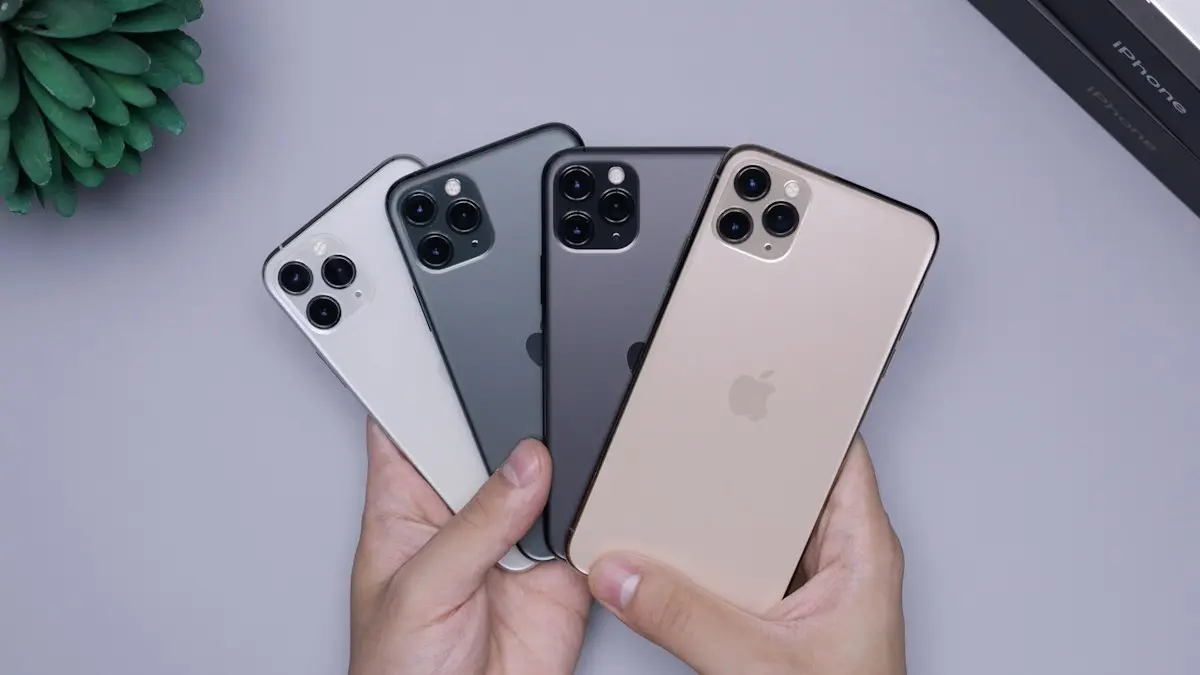
Photo by Daniel Romero on Unsplash
The good news is that most of the space can be won back without touching the photos and messages that matter to you. Work through the steps in order and check iPhone Storage as you go.
What happens when iPhone storage is full?
A full iPhone does more than show a warning. The camera may refuse to record, texts and iMessages with photos may not download, apps may crash or fail to update, and iOS updates will not install because they need several gigabytes of free space to unpack. The phone can also feel slower, because iOS has no room for temporary files.
As a rule of thumb, keep at least 5 to 10 GB free, and more before a major iOS update. The steps below get you there, starting with space you will not miss.
Step 1: see what is taking the space
Open Settings › General › iPhone Storage. Give it a few seconds to calculate. The colored bar shows the big categories, and the list below sorts every app by size. iOS also suggests quick fixes at the top, such as offloading unused apps or reviewing large attachments.
Read the list from the top. The first three or four entries almost always hold most of the used space, so there is little point trimming small apps at the bottom. Tap any app to see two numbers: App Size is the app itself, and Documents & Data is what it has stored. A messaging, podcast or video app with several gigabytes of Documents & Data is a good first target. Photos near the top is normal; the steps in Step 3 shrink it without deleting anything.
Step 2: clear the easy wins
The fix
Free space without losing anything important
- 1
Delete downloaded videos and music.
Streaming apps such as Netflix, YouTube and Spotify store offline downloads that can take several gigabytes. Remove them inside each app. You can download them again at any time.
- 2
Offload apps you do not use.
In iPhone Storage, tap an app, then Offload App. To do this automatically, turn on Settings › App Store › Offload Unused Apps.
- 3
Remove large message attachments.
In iPhone Storage, tap Messages, then Review Large Attachments. Swipe left on old videos and files to delete them.
- 4
Keep messages for a year instead of forever.
Go to Settings › Apps › Messages › Keep Messages and choose 1 Year. On older iOS versions it is Settings › Messages. This deletes older messages and their attachments, so only do it if you do not need them.
- 5
Clear WhatsApp media.
In WhatsApp, open Settings › Storage and Data › Manage Storage. Sort by size and delete forwarded videos you no longer need. To stop it filling up again, turn off Save to Photos in WhatsApp’s Chats settings so every received picture is not copied into your library.
- 6
Clear Safari website data.
Go to Settings › Apps › Safari › Clear History and Website Data. You will be signed out of some websites.
Step 3: make photos take less space (without deleting them)
- Turn on Optimize iPhone Storage under Settings › Photos. Full-resolution originals stay in iCloud and the phone keeps smaller versions. This needs enough iCloud storage for your library.
- Open Photos › Utilities › Duplicates and merge the duplicates. The best-quality copy is kept.
- Empty the Recently Deleted album. Deleted photos stay there for 30 days and keep using space until they are removed.
More places hidden space builds up
- Recently Deleted in Messages: deleted conversations are kept for up to 30 days. In Messages, tap Edit or Filters, open Recently Deleted and choose Delete All.
- Apple Music downloads: turn on Optimize Storage in Settings › Apps › Music so iOS removes songs you have not played in a while when space runs low.
- Podcasts and audiobooks: old episodes download automatically. In the Podcasts app, remove downloads and set shows to keep only the latest episodes.
- Files app downloads: PDFs, zip files and videos saved from Safari end up in the Downloads folder. Open Files › Browse › Downloads and delete what you no longer need.
- Camera format: 4K video at 60 frames per second uses several hundred megabytes a minute. In Settings › Camera › Record Video, 1080p at 30 fps is plenty for most clips, and Formats › High Efficiency keeps photos and videos smaller.
System Data is huge. What is it?
System Data is the gray part of the storage bar. It holds caches, logs, streaming buffers and temporary files. It grows and shrinks on its own, and 10 to 20 GB is normal. If it is much bigger, these steps usually bring it down.
- Restart the iPhone, which clears temporary files. Check iPhone Storage again after 10 minutes, since the number updates slowly.
- Clear Safari history and website data, which also removes cached pages and images saved by websites.
- Offload and reinstall streaming apps like YouTube, Netflix and Spotify, which keep large caches.
- Delete a downloaded iOS update you have not installed, in iPhone Storage under iOS.
- If it is still over 30 GB, back up, erase the iPhone and restore. It is the only reliable way to reset it.
Storage full but nothing on your iPhone?
This is one of the most confusing versions of the problem: you have few apps and photos, yet the bar is almost full. The usual causes are:
- Documents & Data inside apps: tap an app in iPhone Storage. If Documents & Data is far bigger than the app itself, that is cached content. Deleting and reinstalling the app clears it (unlike offloading, which keeps it). Sign-in details for the app may be needed again.
- iCloud Photos downloading originals: if Download and Keep Originals is selected in Settings › Photos, every full-size photo and video is stored on the phone. Switch to Optimize iPhone Storage.
- A large System Data section: covered below. It often explains 20 GB or more of unexplained space.
- A stale calculation: iPhone Storage can show old numbers after a big cleanup. Restart the phone and check again after a few minutes.
Not enough space for an iOS update?
iOS may offer to remove apps temporarily to make room for an update, then reinstall them afterward. Tap Continue if you see that message; your app data is kept. If you still cannot make enough room, update from a computer instead. Connect the iPhone to a Mac with Finder or a Windows PC with the Apple Devices app, select it and choose Check for Update. The computer downloads the update, so the phone needs much less free space.
Still running out of space? Your options
If you have cleared everything above and the phone fills up again within weeks, your photo and video library is simply bigger than the phone. You have three realistic choices:
- Pay for cloud storage. iCloud+ starts at 50 GB, with 200 GB and 2 TB plans, and works with Optimize iPhone Storage so the phone keeps small copies. Google Photos with a Google One plan is an alternative, but it does not free space on its own; you still delete the local copies after backing up.
- Move photos to a computer or drive. Copy them to a Mac or PC, or to a USB-C flash drive on iPhone 15 and later, check the copies open, then delete them from the phone.
- Choose more storage next time. If you shoot a lot of video, a 256 GB model costs less over its life than years of juggling space. Trade-in credit on your current phone can offset the cost.
Restart the phone when you are done. iOS often takes a few minutes to recalculate storage, and a restart also clears some temporary System Data.
Frequently asked questions
What is “System Data” and can I delete it?
System Data holds caches, logs and temporary files. You cannot delete it directly, but it usually shrinks after a restart, after clearing Safari data, or once iOS finishes an update.
Does offloading an app delete my data?
No. Offloading removes the app itself but keeps its documents and settings. Reinstall it from the App Store and you carry on where you left off.
Why does iPhone Storage say full when I deleted photos?
Deleted photos stay in Recently Deleted for 30 days. Empty that album, then give iPhone Storage a few minutes to recalculate.
Will buying more iCloud storage free up space on my iPhone?
Only if you also turn on iCloud Photos with Optimize iPhone Storage. iCloud storage is separate from the phone’s own storage, so paying for more does nothing on its own.
What to try next
Related guides
iPhone stuck on Preparing to Transfer
iPhone stuck on preparing to transfer during setup? Learn how long to wait, what to check on both phones and how to use iCloud or a computer instead.
iPhone stuck on Update Requested
iPhone stuck on update requested and not downloading? Check Wi-Fi and storage, delete the update, reset network or update from a computer. 7 fixes.
iPhone contacts missing
iPhone contacts missing or disappeared? Check your Lists, iCloud and Gmail sync, then restore contacts from iCloud.com or a backup. 7 ways to get them back.
iPhone Mail not updating
iPhone Mail not updating or not syncing new emails? Check Fetch settings, Background App Refresh, Low Power Mode and storage, then re-add the account. 8 fixes.
More guides you may need
iPhone notifications not showing on lock screen
iPhone notifications not showing on lock screen? Check the app's Lock Screen switch, Display As, Focus and Scheduled Summary, then try 4 more fixes.
Other storage on iPhone
What is Other storage on iPhone, now called System Data, and why it gets huge. Learn what it holds and 8 ways to shrink it, from restarting to a backup restore.