

How to hide apps on Android (Samsung, Pixel and others)
Hiding an icon keeps an app off the home screen. For real privacy, a locked Secure Folder or Private space is better.
Photo by Kelly Sikkema on Unsplash
The fix
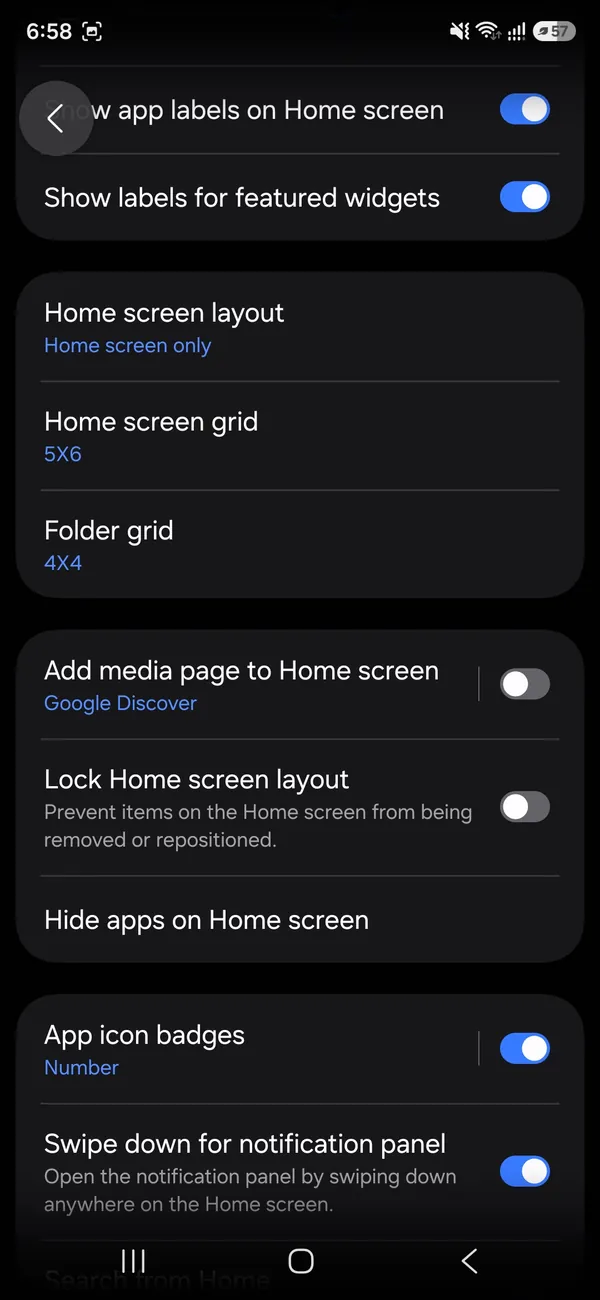
Samsung: hide from the home screen
- 1
Touch and hold an empty spot on the home screen.
- 2
Tap Settings, then Hide apps on Home screen.
Older One UI versions call it Hide apps on Home and Apps screens.
- 3
Select the apps and tap Done.
The fix
Samsung: Secure Folder
- 1
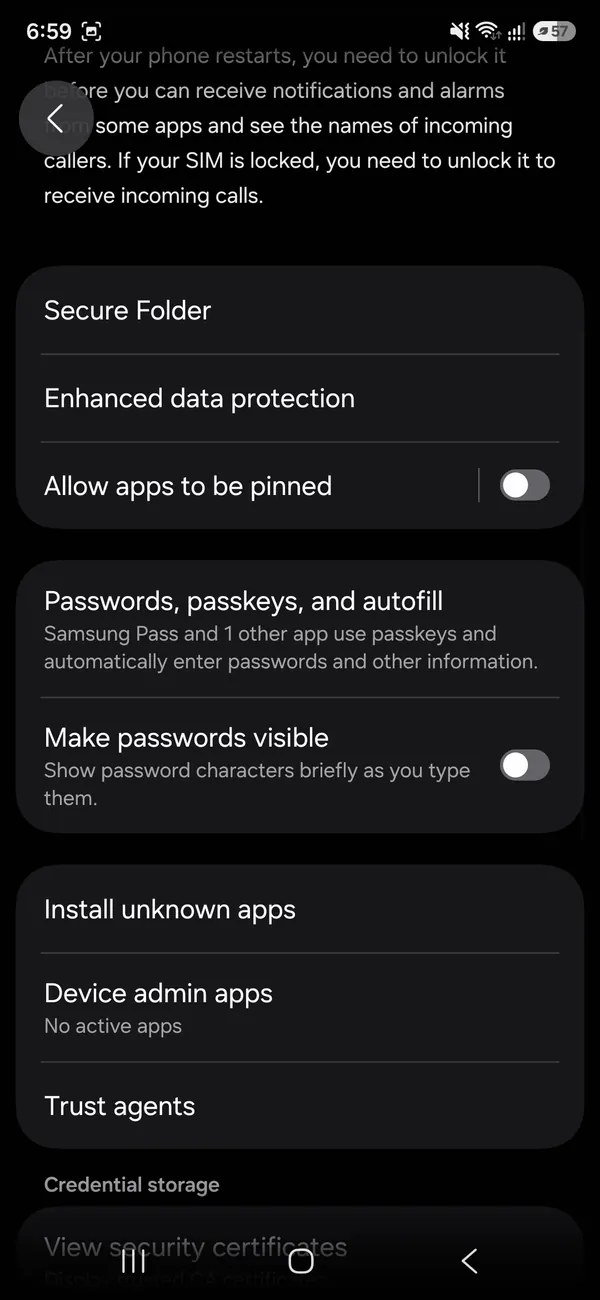
Open Settings › Security and privacy › More security settings › Secure Folder.
- 2
Set a lock, then tap Add apps inside the folder.
- 3
Hide the Secure Folder icon itself from its settings if you want.
The fix
Pixel and others: Private space
- 1
Open Settings › Security & privacy › Private space.
- 2
Follow the setup and choose a lock.
- 3
Install or move apps into it. Lock it to hide them.
Hide, disable or lock: what each one does
- Hide from the home screen: the app stays installed and visible in Settings and search, but the icon disappears.
- Disable: the app is turned off, does not run and does not send notifications. Good for bloatware. The app is still on the phone.
- Uninstall: removes the app and its data. For preinstalled apps it removes updates only.
- Secure Folder or Private space: the app is locked behind a PIN or fingerprint, and may have its own data copy.
Pick the one that matches why you want to hide it. If it is privacy from others, use a locked space. If it is clutter, a simple hide is enough.
Hide apps on Pixel and other Android phones
Pixel and many Android phones do not have a simple hide setting. Use Private space on Android 15 and later, or the Work profile feature with a work profile app. Other launchers, such as Nova Launcher or Microsoft Launcher, have a Hide apps option in the app drawer settings. On Motorola, look in the Moto settings for Display and the app drawer. On OnePlus, open the app drawer, swipe right and use the Hidden Space. Names differ, so search for hidden in Settings.
Hide apps on Samsung One UI
Besides Hide apps on Home screen, Samsung lets you hide an app by turning off its icon from the Apps screen in the home screen settings, and by using Secure Folder. Samsung also offers a way to hide apps from the Apps screen with the Good Lock tool. Keep in mind that the app still appears in Settings › Apps and in the Play Store list of installed apps unless you use Secure Folder.
How to find a hidden app again
- Open Settings › Apps and scroll the list. Every installed app appears there.
- Swipe up on the home screen and use the search bar. Type the app name.
- Samsung: touch and hold the home screen, tap Settings and Hide apps on Home screen to see which are hidden, and untick them.
- Secure Folder: open the Secure Folder app and sign in.
- Private space: scroll down to the bottom of the app drawer and unlock it.
Is hiding an app enough for privacy?
No. A hidden icon does not stop a person who knows where to look, and notifications can still show. If you want an app kept private, use a locked space and turn off its lock screen notifications. If someone has full access to your phone and knows your PIN, no hiding method is safe. For parents who wish to limit a child's apps, a better choice is a parental control, such as Google Family Link, instead of hiding. See pinning a screen for kids for another option.
Hide an app without hiding its notifications
Hiding the icon does not stop alerts. To stop them, open Settings › Notifications › App notifications, pick the app and turn it off, or set it to silent. Also hide previews on the lock screen under Settings › Lock screen › Notifications, so a message does not show its text. In Secure Folder, notifications can be hidden or shown with a generic message, which is private by default.
Hide apps on iPhone too
If you also use an iPhone, the way to hide apps is different. See hiding apps on iPhone.
Hide Play Store history and purchases
Apps you installed still show in your Play Store library under Manage apps and device. To remove an app from the list, open the Play Store, tap your profile, go to Manage apps and device › Manage, choose the app and tap the trash icon. This hides it from the list but does not delete your purchase. Purchases stay in Order history, which you cannot hide.
Hide the app drawer icon on Samsung
If you want to hide only one app from the Apps screen, touch and hold the app, tap Remove from Home, which only removes the shortcut. To keep it off the Apps screen too, use the Hide apps option in the home screen settings. Hidden apps stay installed. You can start them from search, from a link or by a voice command. If you give the phone to a child or share it, this is enough to keep the icons out of sight but not to block access.
Use a second user or a guest profile
Android supports other users on some phones. Open Settings › System › Multiple users and add a user. Each user has separate apps, files and a lock. Hand a guest the guest profile, and your own apps stay in your profile. Samsung phones do not offer multiple users on all models, but they offer Secure Folder. On a Pixel or a tablet, this is the cleanest way to share a device.
Hide a messaging or banking app
For apps that hold sensitive data, such as banking, notes and messages, use a locked space and also turn on the app's own lock where it exists. Many banking and chat apps can ask for a fingerprint when they open. Look in the app's Settings › Security. Use both layers, since a hidden icon can be undone in a minute. If you suspect someone is spying on your phone, see scanning an Android phone for malware.
Hide an app from the Recent apps list
The Recent apps screen shows previews of open apps. To keep private apps out, close them after use by swiping them away. On Samsung, open Recents, tap the app icon and choose Lock this app only if you want to keep it, since that does the opposite. Some apps hide their preview and show a blank screen, which you can turn on in the app's privacy settings. Secure Folder apps do not show previews in the main Recents list.
Common problems
- The Hide apps option is missing: update One UI, or use Secure Folder.
- A hidden app still sends alerts: turn off notifications for it.
- Secure Folder asks for a Samsung account: sign in or create one. It is needed to back up the folder.
- Private space is not available: it needs Android 15 or later, and not all brands add it.
- You forgot which apps you hid: check the hide list in Home screen settings, or look in Settings › Apps.
Hide apps for a child or guest
If you lend your phone to a child, a better choice than hiding is Google Family Link or a Kids mode, which limits apps, time and purchases. On Samsung, Kids mode or Secure Folder lets you pick apps your child may use. Pin the screen to one app with screen pinning when you hand over the phone for a short time. Hiding alone leaves everything a few taps away.
Keep a list of what you hid
It is easy to forget which apps you hid, and a missing banking or messaging app can look like a bug. Write the names in a note, or take a screenshot of the hide list. If an app seems to be gone after an update, check the hide list first, since some updates reset home screen settings. Hidden apps also still take storage. See clearing a full Android phone if space is tight.
Remove an app from hiding
On Samsung, return to Home screen settings › Hide apps on Home screen, untick the app and tap Done. In Secure Folder, open the folder, touch and hold the app and choose Move out of Secure Folder, or uninstall it. In Private space, unlock the space, open its settings and move the app out. The app returns to the normal drawer.
Frequently asked questions
Can someone still find a hidden app?
With simple hiding, yes: it still shows in Settings › Apps and sometimes in search. Apps in Secure Folder or Private space need your PIN or fingerprint.
Do hidden apps still send notifications?
Hidden home screen apps do. Private space pauses its apps and notifications while it is locked.
Can I hide apps on any Android phone?
Most phones have some way, but the method differs. Samsung has Hide apps on Home screen and Secure Folder, Pixel has Private space on newer versions, and others rely on a launcher.
Related guides
Clean a SIM card on iPhone
Clean an iPhone SIM card and tray safely with a dry lint free cloth. Learn what to avoid, how to test the SIM, and when to get a new one if your iPhone says No SIM.
Move iCloud backup to Google Drive
You cannot move a full iPhone backup from iCloud to Google Drive, but you can move your photos, files, contacts and calendar. See each method and what to expect.
Find APN settings on iPhone
Find APN settings on your iPhone in Settings › Cellular › Cellular Data Network. Learn why the menu can be missing, what each field means and how to reset it.
How to tell if an iPhone is fake
Check if an iPhone is genuine before you buy. Use the serial number on Apple's Check Coverage page, match the IMEI, review Parts and Service History and check Activation Lock.
More guides you may need
iPhone region settings
Change iPhone region settings in one guide: App Store country, phone number, in-app purchases, Maps voice, miles or kilometers and which apps see your location.
iPhone Safari settings
Change iPhone Safari settings in one place: default browser, search bar position, SafeSearch, autofill address, DNS and IP address, for iOS 18 and iOS 26.