

iPhone Keeps Asking to Trust This Computer? Why and 6 Fixes
The alert is a security feature, so it will not simply go away. But it should only appear once per computer. Here is why yours keeps coming back and how to stop it.
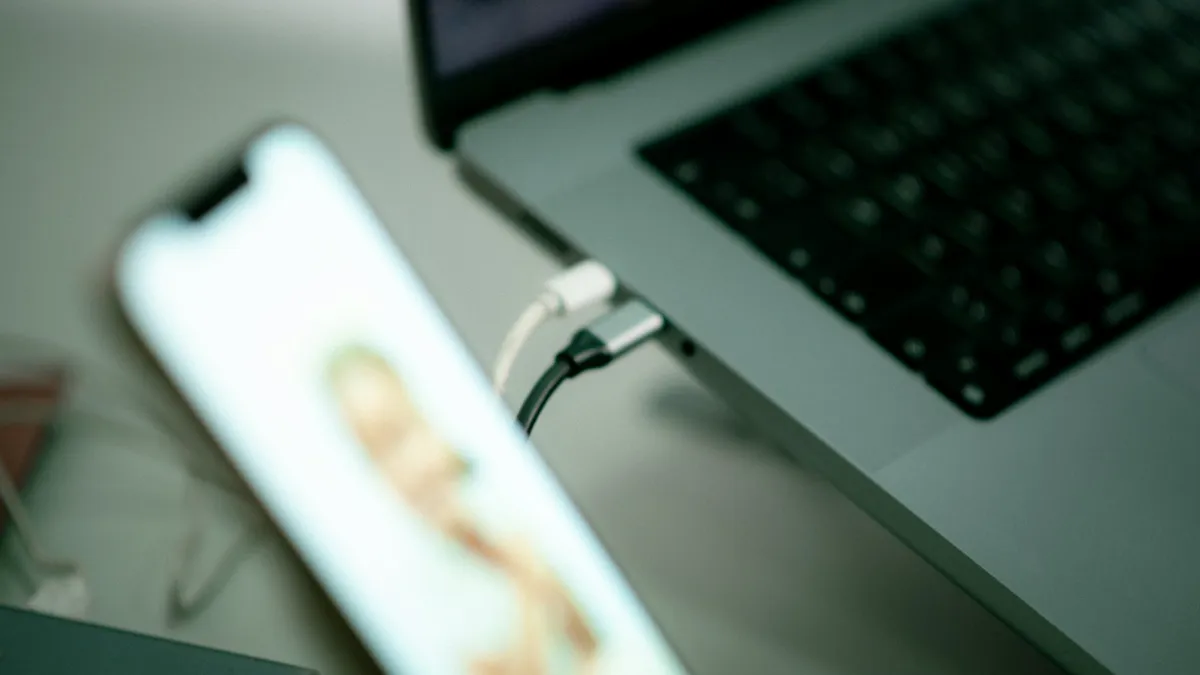
Photo by INFRAME Studio on Unsplash
You plug your iPhone into a laptop to move a few photos. A box pops up: "Trust This Computer?" You tap Trust, enter your passcode, and do your work. Ten minutes later you plug it in again, and the same question appears. It feels like the phone has no memory.
The alert is meant to appear once. When it keeps coming back, one of three things is going on, and each has a clear fix. This guide goes through them in the order Apple recommends, then covers the cases that Apple's page does not mention.
Why does the Trust This Computer alert keep appearing?
Apple explains the alert on its support page. It appears the first time you connect to a computer, and it asks whether you trust it. Trusted computers can sync with your iPhone and access its photos, videos, contacts and other content. A computer stays trusted until you change which computers you trust or erase the device.
- You tapped Don't Trust. Apple says the alert appears every time you connect if you chose not to trust the computer.
- Automatic backups are on. Apple says that if you turn on automatic backups, the alert appears every time you connect. On iOS 16 and later it also appears when you back up.
- Trust was reset. Resetting Location & Privacy or erasing the phone clears the list.
- Trust was never saved. The computer did not receive your answer, so the phone asks again. A bad cable or an outdated iTunes is often the reason.
- Old trust records expired. Apple's deployment guide says trust records are removed if they are unused for 30 days.
Fix 1: Answer the alert properly
It sounds basic, but this is where most repeats start. Apple's steps are short:
- 1
Connect your iPhone to the computer with a cable.
- 2
Unlock the iPhone with your passcode.
- 3
On a Mac, open Finder or the Apple Devices app, select the iPhone and click Trust.
On a Windows PC with iTunes, click Continue.
- 4
On the iPhone, tap Trust and enter your passcode.
Do this on the iPhone as well. The computer and the phone each need to agree.
Wait for the alert to close. If the screen locks before you answer, the choice may not be saved. Keep the screen on until the alert disappears.
Fix 2: Check whether automatic backups cause it
If the alert only appears at the moment a backup or sync starts, this is probably normal behavior, not a fault. Apple says that with iOS 16 and later, the alert also appears when you back up your iPhone. If automatic backups are on, it can appear at each connection.
You have two choices. Accept the prompt when you back up, which takes two taps. Or turn off automatic syncing in Finder or iTunes for this iPhone, which removes the trigger. A third path avoids the computer entirely. Back up to iCloud over Wi-Fi from Settings › your name › iCloud › iCloud Backup. Our guide to backing up an iPhone compares the two.
Fix 3: Update the computer software
An outdated Mac or Windows program can fail to save your answer. Apple lists this as the first fix to try. Update macOS in System Settings › General › Software Update. On Windows, update iTunes or the Apple Devices app from the Microsoft Store.
If you installed iTunes from the Microsoft Store on Windows, Apple says to make sure iTunes Mobile Device Helper is enabled as a startup item. Press Ctrl, Shift and Esc to open Task Manager, go to the Startup tab and enable it if it is off. Without it, Windows may not remember the phone.
Fix 4: Change the cable and the port
A bad cable can drop the connection in the middle of the trust handshake. Unplug the iPhone and plug it back in. Then try a different USB port, a different cable and, if you can, a different computer. Use an Apple cable or one that is MFi certified. Our guide on an iPhone that says the accessory is not supported covers cable problems in more detail.
Fix 5: Restart the computer and the iPhone
Apple puts this next in its list. Restart the computer first. Then restart the iPhone: press and hold the side button and either volume button until the slider appears, drag it, wait 30 seconds and hold the side button to start again. Connect them once more and answer the alert when it appears.
Fix 6: Reset Location & Privacy
This clears the list of trusted computers and gives you a clean start. It is the step Apple recommends when you do not see the alert or you tapped Don't Trust by mistake.
- 1
Open Settings › General › Transfer or Reset iPhone.
- 2
Tap Reset, then Reset Location & Privacy.
Enter your passcode if asked.
- 3
Connect to the computer again and tap Trust.
Apple says the iPhone prompts you again for every computer it used to trust.
Last step: Reset network settings
Apple lists this as the final item. Open Settings › General › Transfer or Reset iPhone › Reset › Reset Network Settings. Apple warns that it also resets Wi-Fi networks and passwords, cellular settings and VPN and APN settings you have used before. Write down your Wi-Fi password first. Try it only if the earlier fixes did not work.
The passcode variant
Some people say that since iOS 16.1 they have to type the passcode each time they sync or back up. One Apple Community reply described this as intended behavior, but that is a support member's account, not an Apple document, so treat it as unconfirmed. If it is your only complaint, the phone is working as designed, and the alert is a safety step.
Is it safe to tap Trust?
Tap Trust on your own computer. Do not tap it on a computer you do not own. Apple says trusted computers can reach your photos, videos, contacts and other content. That includes a library computer, a shared office PC, a hotel business center and a friend's laptop you will not see again.
- To charge on a computer you do not trust, plug in and tap Don't Trust. Charging still works.
- If the alert shows up when nothing is plugged in, or with a cable you have never used, unplug it and tap Don't Trust.
- If you trusted a computer by mistake, run Reset Location & Privacy to remove it.
Skip the computer altogether
Most reasons for plugging in an iPhone no longer need a cable. Photos can go to your PC through iCloud, and backups can run over Wi-Fi. That removes the alert for good, but it can cost money if your iCloud plan is small. See our guides to downloading photos from iCloud and fixing a full iCloud. If you still prefer a cable for photos, our guide to moving photos from an iPhone to a Windows PC shows the steps.
Which fix fits your situation?
- It asks every time, on your own computer: tap Trust on both devices, then check automatic backups.
- It never shows up: update the computer software, change the cable, reset Location & Privacy.
- It started after an update: reset Location & Privacy and trust the computer again.
- It only appears during a backup: this is expected on iOS 16 and later.
- You use a public computer: tap Don't Trust and use a wall charger.
Frequently asked questions
Why does my iPhone keep asking to trust this computer?
Apple says the alert returns every time if you chose Don't Trust, and it can appear on every connection if automatic backups are on. It also returns after you reset Location & Privacy.
Is it safe to tap Trust on my own computer?
Yes, on a computer you own and control. Trusted computers can sync with your iPhone and access its photos, videos, contacts and other content, so never tap Trust on a public or borrowed computer.
Do I need to trust a computer just to charge my iPhone?
No. Charging works without trust. The alert is about data access, so you can tap Don't Trust and still charge.
How do I make my iPhone forget trusted computers?
Open Settings › General › Transfer or Reset iPhone › Reset › Reset Location & Privacy. After that, each computer you connect asks for trust again.
What to try next
Related guides
iPhone camera unknown part
iPhone camera unknown part message after an update or repair? Learn what Unknown, Genuine and Used mean, how to check, and when it is worth fixing.

iPhone auto brightness not working
iPhone auto brightness not working or the screen keeps changing? Check the Accessibility switch, light sensor, Low Power Mode and heat, then try 3 more fixes.
iPhone keyboard not showing up
iPhone keyboard not showing up in Messages, Safari or another app? Disconnect Bluetooth, remove extra keyboards, reset the dictionary and try 5 more fixes.
iPhone notifications not showing on lock screen
iPhone notifications not showing on lock screen? Check the app's Lock Screen switch, Display As, Focus and Scheduled Summary, then try 4 more fixes.
More guides you may need
iPhone keyboard not showing up
iPhone keyboard not showing up in Messages, Safari or another app? Disconnect Bluetooth, remove extra keyboards, reset the dictionary and try 5 more fixes.
iPhone no service
iPhone no service or searching? Try 10 fixes in order: Airplane Mode, restart, carrier update, SIM check, network reset and more, plus outage checks.