

What is Wi-Fi Calling and should you turn it on?
Wi-Fi Calling uses your regular number and dialer, just over Wi-Fi. It is the easy fix for weak signal at home.
Photo by Dreamlike Street on Unsplash
The fix
Turn it on
- 1
iPhone: Settings › Cellular › Wi-Fi Calling.
- 2
Samsung: Phone app › three dots › Settings › Wi-Fi calling.
- 3
Pixel: Settings › Network & internet › SIMs › Wi-Fi calling.
- 4
Add your emergency address when asked.
How does Wi-Fi Calling work?
A normal call goes from your phone to a cell tower. With Wi-Fi Calling on, your phone can send that same call through your home or office internet instead. Your carrier's network picks it up on the other side and connects it like any other call. You still use the Phone app, your contacts and your number. The person you call does not need Wi-Fi Calling, and they see your normal caller ID.
You will usually see Wi-Fi next to your carrier name in the status bar, for example "Verizon Wi-Fi" or "T-Mobile Wi-Fi", when the phone is ready to call over Wi-Fi. On Android a small phone icon with Wi-Fi waves appears instead.
Does Wi-Fi Calling cost extra?
Not on the big US carriers. Verizon, AT&T and T-Mobile include Wi-Fi Calling on postpaid and most prepaid plans at no extra charge, and a call over Wi-Fi counts the same as a cellular call. Most plans have unlimited talk and text, so there is nothing to track. Some smaller carriers and older plans do not support it at all, so if the switch is missing, ask your carrier. If you want to know what kind of carrier you have, that often explains missing features.
Using Wi-Fi Calling abroad
This is where it saves real money. When you travel, connect to hotel or café Wi-Fi, keep Wi-Fi Calling on and turn on Airplane mode, then turn Wi-Fi back on. Calls and texts to US numbers then go over Wi-Fi. On Verizon, AT&T and T-Mobile, calls to US numbers made this way are free. Calls to local numbers in the country you are visiting are charged at international rates, so check before you dial. Some countries, including a few in the Middle East and Asia, block Wi-Fi Calling, and it simply will not connect there. Our guides to using your phone in Europe and using your phone in Mexico cover roaming plans too.
Why your carrier asks for an emergency address
When you turn it on, the phone asks for a street address. That is the address sent to 911 if you call from Wi-Fi and your location cannot be found. Use the place you will be most of the time, usually home, and update it if you move. Emergency calls go over the cell network whenever any signal is available, and Wi-Fi is the backup.
Pros and cons
- Pro: clear calls in basements, big buildings and rural homes with poor signal.
- Pro: free calls home while traveling.
- Pro: can use less battery than a phone fighting for a weak signal.
- Con: call quality depends on your internet. Slow or busy Wi-Fi gives choppy audio.
- Con: calls can drop when you walk out of Wi-Fi range on some phones and carriers, though most now hand off to cellular smoothly.
- Con: public Wi-Fi with a sign-in page may block it until you log in.
What speed does Wi-Fi Calling need?
A voice call needs very little, about 1 Mbps both ways is plenty. What matters more is a steady connection. If others on the network are streaming or gaming, calls can break up. Moving closer to the router or using a 5 GHz network often helps.
Setting it up on iPhone
- Open Settings › Cellular (or Mobile Data) › Wi-Fi Calling.
- Turn on Wi-Fi Calling on This iPhone.
- Confirm and enter or check your emergency address.
- Optional: turn on Add Wi-Fi Calling for Other Devices to call from an iPad or Mac.
Our step by step guide to turning on Wi-Fi Calling on iPhone also explains what to do when the option is gray.
Setting it up on Samsung and Pixel
On Samsung, open the Phone app, tap the three dots › Settings › Wi-Fi calling and turn it on. Some Samsung models also show a Wi-Fi calling tile in Quick Settings. On Pixel, open Settings › Network & internet › SIMs, choose your SIM and turn on Wi-Fi calling. Menu names can change a bit between One UI and Android versions, so search Settings for "Wi-Fi calling" if you do not see it.
When Wi-Fi Calling will not turn on
- Your plan or carrier does not support it. Ask the carrier.
- The emergency address was not saved. Turn it off and on and add it again.
- Software is out of date. Update the phone and, on iPhone, install any carrier settings update.
- A VPN or work network blocks the ports it needs. Turn off the VPN and try another Wi-Fi network.
If calls keep dropping even with Wi-Fi Calling on, read iPhone dropping calls. A weak signal at home can also be a sign to compare cell phone plans from a carrier with better coverage where you live.
Is Wi-Fi Calling safe?
Yes. Calls are encrypted between your phone and your carrier, so people on the same public network cannot listen in. It is no less private than a normal cell call.
Wi-Fi Calling vs WhatsApp and FaceTime calls
Apps like WhatsApp, FaceTime Audio and Messenger also call over the internet, but they only reach people who use the same app, and they show your app account, not your phone number. Wi-Fi Calling is different because it is part of your carrier service. You can call any phone number, including landlines and businesses, and texts work too. Both are useful. Wi-Fi Calling is the one that works without asking the other person to install anything.
Does Wi-Fi Calling drain the battery?
Usually it saves battery. A phone with a weak cell signal keeps raising its radio power to stay connected, which drains the battery and makes the phone warm. On Wi-Fi Calling, the phone can relax the cellular radio. If your battery still drains fast at home, read iPhone battery draining fast or Android battery draining fast.
Wi-Fi Calling and home signal boosters
If your home has almost no signal, Wi-Fi Calling is often enough and costs nothing. A cell signal booster can cost a few hundred dollars and needs some outside signal to work. Some carriers lend or sell small network extenders that plug into your internet. Try Wi-Fi Calling first, and only buy hardware if calls still break up.
Can people tell you are on Wi-Fi Calling?
No. The other person sees your normal number and hears a normal call. Your carrier bill may mark the call as Wi-Fi, but that is only visible to you.
Quick checklist
- Turn on Wi-Fi Calling and add your emergency address.
- Look for Wi-Fi next to the carrier name.
- Use a steady Wi-Fi network and stay close to the router.
- When abroad, use Airplane mode plus Wi-Fi to call US numbers free.
Does Wi-Fi Calling work with a dual SIM or eSIM?
Yes, but each line has its own setting. On iPhone, open Settings › Cellular, tap the line, and turn on Wi-Fi Calling for each one. On Android, the setting sits under each SIM in Network settings. This is handy if you keep a US line on eSIM while using a local SIM abroad, since the US line can still ring over Wi-Fi. See what an eSIM is for how dual lines work.
Not every carrier supports Wi-Fi Calling on a secondary line, so test it by calling the number from another phone.
Does Wi-Fi Calling cost extra?
On Verizon, AT&T and T-Mobile, Wi-Fi Calling within the US uses your plan's normal minutes and is not charged extra. Calls to US numbers while abroad over Wi-Fi are often free too, but rules vary, so check your carrier's international page before you travel.
Turn it on once and it works in the background.
Frequently asked questions
Is Wi-Fi Calling free?
On major US carriers, calls to US numbers are free or count like normal minutes. Calls to other countries may cost extra.
Does the other person need Wi-Fi Calling?
No. They receive a normal call from your number.
Does Wi-Fi Calling use my minutes?
On most US plans it counts the same as a normal call, and most plans have unlimited talk, so you will not notice. Calls back to the US from abroad over Wi-Fi are free on the major carriers.
Should I leave Wi-Fi Calling on all the time?
Yes, for most people. The phone only uses Wi-Fi for calls when the cell signal is weak or when the carrier prefers it, and it switches back on its own.
Related guides
Best iPhone for seniors
Choosing an iPhone for a parent or grandparent? Check screen size, Face ID or Touch ID, software support, battery and safety features, then set it up to be easy to use.
eSIM on a locked iPhone
A carrier locked iPhone only takes an eSIM from its own carrier. See how to check the lock in Settings, why a travel eSIM will not activate, and how to unlock.
iOS and Android updates tracker
The latest iPhone and Android software updates in one place: iOS 27.0.1 fixes, Pixel update dates, who can update, and our guides for problems after an update.
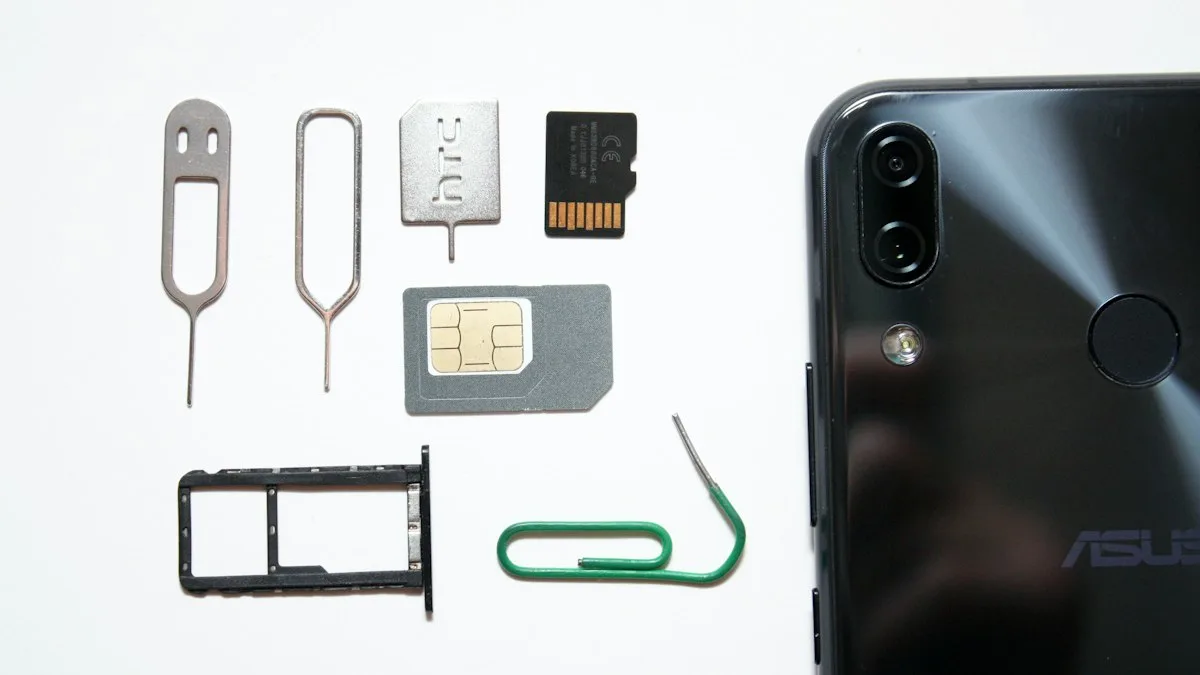
Which iPhones support eSIM
Every iPhone with eSIM support, from the XS and XR to the newest models. See if your iPhone 12 or 13 works, which are eSIM only, and how to check yours.
More guides you may need
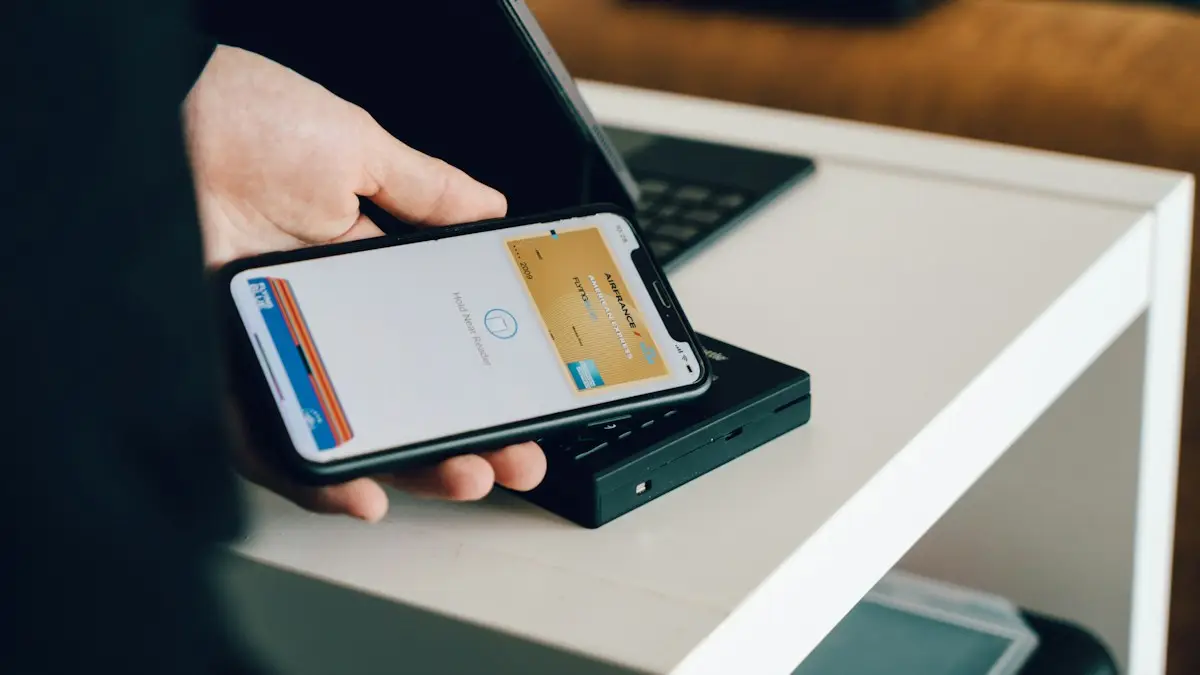
iPhone NFC tag reader
Yes, iPhones have NFC. Learn which models read NFC tags automatically, how to use the NFC Tag Reader on older iPhones, and how to run Shortcuts with a tag.
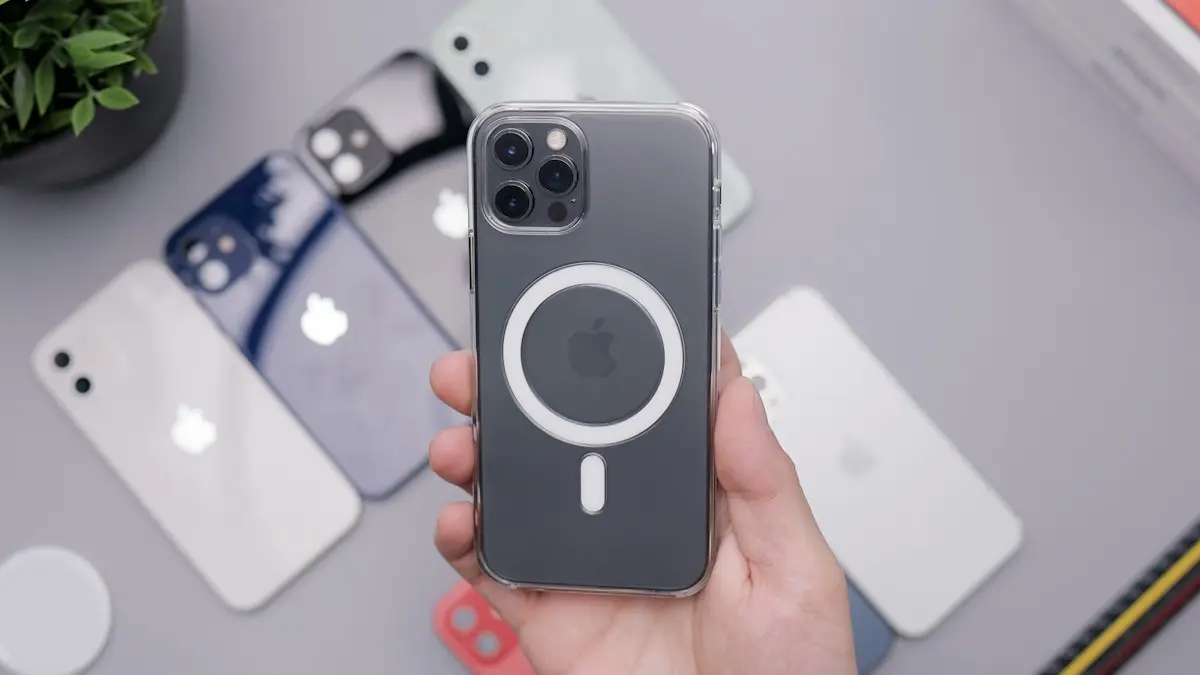
MagSafe vs Qi2
MagSafe vs Qi2: how they differ, which phones work with each, charging speeds, case rules and what to look for when you buy a magnetic wireless charger.