

How to unlock iPhone from carrier (and check if it is locked)
Only the carrier that locked your iPhone can unlock it, and once the phone is paid off it is usually free.
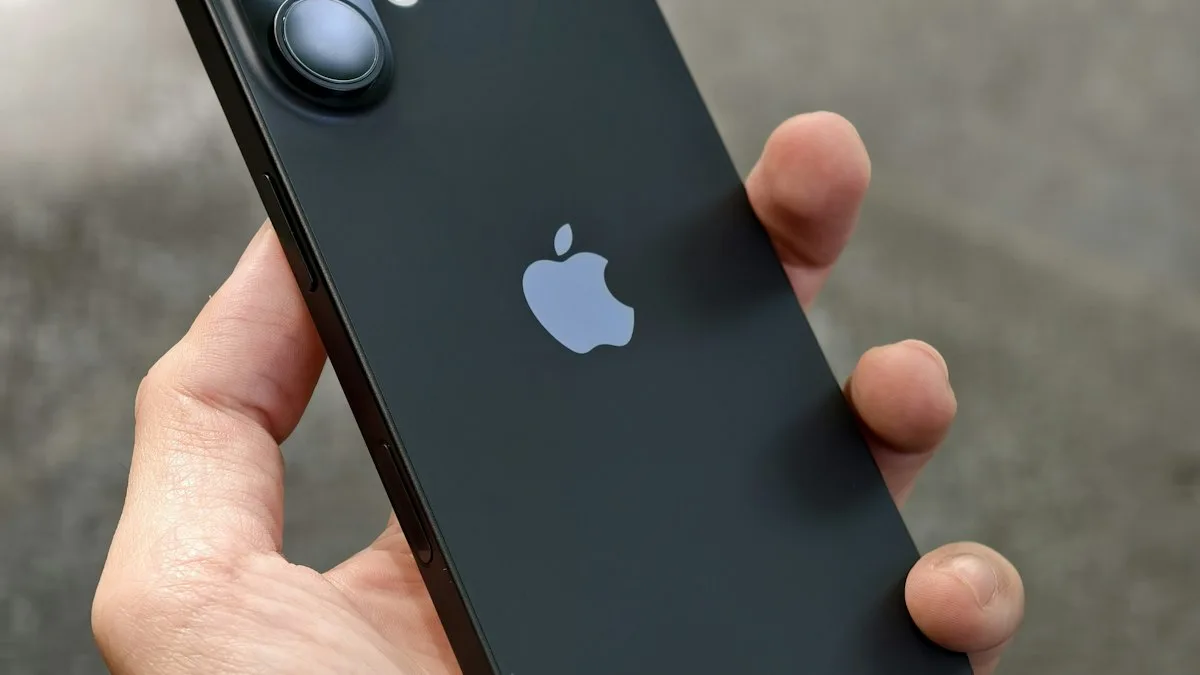
Photo by grey wight on Unsplash
Most iPhones sold by Verizon, AT&T and T-Mobile are locked to that carrier until they are paid off. A locked iPhone shows SIM Not Supported or will not activate when you try another carrier’s SIM or eSIM. The unlock is free, it is permanent, and only the carrier that locked the phone can do it. Apple cannot help here, and neither can any website that asks for money. Here is how to check, how each carrier’s rules work in 2026, and what to do if you bought the iPhone used.
The fix
Check whether your iPhone is locked
- 1
Open Settings › General › About.
- 2
Find Carrier Lock.
No SIM restrictions means unlocked. Anything else means locked. Some iOS versions call this line Network Provider Lock.
Not sure which carrier locked it? See how to find out what carrier your phone is from. For Android phones and more checks, see how to tell if a phone is unlocked.
Before you ask: are you eligible?
- Paid off: the phone’s installment plan or lease must be fully paid. Promotional bill credits do not count as paid; pay the remaining balance to unlock early.
- Active long enough: each carrier requires a minimum time on its network, listed below.
- Not reported lost or stolen: a blacklisted iPhone will not be unlocked. See how to check if a phone is stolen.
- Account in good standing: an unpaid bill can block the request.
The fix
Ask your carrier to unlock it
- 1
Pay off the phone if it is on a payment plan.
- 2
Find your IMEI in Settings › General › About.
- 3
Send an unlock request on the carrier’s website or app, or call them.
- 4
Wait for the confirmation.
It can take a few minutes to a few days.
- 5
Insert the new carrier’s SIM or set up its eSIM.
How to unlock iPhone from carrier: Verizon, AT&T and T-Mobile rules
- Verizon: unlocks automatically once the phone is paid off (or bought at full price). Prepaid phones unlock after 365 days of paid service. The old 60-day rule ended for phones activated from January 27, 2026.
- AT&T: needs the phone paid off and, for most accounts, 60 days of active service.
- T-Mobile: needs the phone paid off and 40 days of active use on the network.
Prepaid iPhones follow longer rules: about 365 days of paid service at Verizon prepaid brands, 6 months at AT&T prepaid, and 365 days at T-Mobile prepaid, including Metro. Military members being deployed can often get an early unlock, so ask. Policies change, so check the carrier’s current unlock page before you request.
Where to send the request
- Verizon: eligible postpaid phones unlock automatically once paid off, with nothing to request. If yours still shows a lock, contact Verizon through the My Verizon app, chat or 611.
- AT&T: use the device unlock portal on att.com. You will need the IMEI and, if you are a customer, your account details. AT&T also takes requests from people who are not AT&T customers, as long as the phone qualifies.
- T-Mobile: sign in to the T-Life app or T-Mobile account, or contact customer care. The account holder usually has to make the request.
- Prepaid brands: Cricket, Visible, Metro, Straight Talk and others each have their own unlock page or support line.
After the unlock: set up the new carrier
US iPhone 14 and later models use eSIM only, so you set up the new carrier with its app, a QR code or eSIM Carrier Activation. Older models with a SIM tray just need the new SIM card inserted. Apple notes that if the phone uses a physical SIM and you do not have a new SIM yet, you can finish the unlock by backing up, erasing and restoring the iPhone. In most cases today, it completes when the new carrier’s SIM or eSIM activates. Check Carrier Lock again: it should say No SIM restrictions.
Before you move your number, check the iPhone works on the new network with a carrier compatibility check and get your number transfer PIN. The full process is in how to switch phone carriers.
Is unlocking legal, and does it erase anything?
Yes, it is legal. The Unlocking Consumer Choice and Wireless Competition Act of 2014 made it legal in the US to unlock a phone, and the big carriers have committed to unlocking eligible phones for free. Getting your own carrier to unlock your paid-off phone is exactly the process the law expects.
An official carrier unlock does not erase your photos or apps, does not void Apple’s warranty or AppleCare+, and does not change your Apple Account. The only thing that changes is which SIM or eSIM the iPhone accepts. It is also permanent: the phone stays unlocked after updates, resets and a change of owner.
Carrier lock, Activation Lock and passcode: not the same
- Carrier lock: set by the carrier; limits which network the iPhone works on. Removed by the carrier for free once you qualify.
- Activation Lock: part of Find My; ties the iPhone to an Apple Account. Only the owner can remove it by signing out or removing the device from their account. Carriers cannot help.
- Passcode lock: the code that unlocks the screen. If you forgot it, see how to reset an iPhone without the passcode.
Anyone offering to remove Activation Lock for a fee, or to bypass a carrier lock without the carrier, is at best selling something that will not last and at worst running a scam.
Bought a used iPhone that is locked?
Carriers generally unlock a phone for its current owner only if it qualifies, which means the original installment plan must be paid off. Ask the seller for proof of purchase and ask them to request the unlock from their account. AT&T accepts requests from non-customers for eligible phones, while Verizon and T-Mobile usually need the original account. If the phone still has a balance owed or is blacklisted, the carrier will not unlock it, and the seller should refund you. In future, test with your own SIM before paying.
Leaving your carrier? Get the order right
- 1
Pay off the iPhone while you are still a customer.
It is simpler to pay and request the unlock from an active account than after the line is closed.
- 2
Wait for the unlock and check Carrier Lock says No SIM restrictions.
- 3
Sign up with the new carrier and move your number.
The old line closes automatically once the number moves. Do not cancel it first.
Doing it in this order avoids ending up with a locked iPhone and no active account to request the unlock from. It also lets you test the new carrier for a day or two with the old line still working.
Why was my unlock request denied?
- The phone still has a balance, or bill credits are still running.
- It has not been active on the network long enough.
- The IMEI was entered wrongly. Copy it from Settings › General › About.
- The phone is reported lost, stolen or linked to an unpaid account.
- The request came from someone other than the account holder.
Fix the reason given in the denial email or text, then ask again. If you think it is a mistake, ask for a supervisor or file a complaint with the FCC.
Unlocking for travel
An unlocked iPhone can use a local SIM or a travel eSIM abroad, which is often far cheaper than your carrier’s international day pass. Unlock before the trip, since it can take a day or two. See using your phone in Mexico for an example. An unlocked iPhone is also worth more when you sell it, so it is worth doing once it is paid off even if you are staying with your carrier.
Frequently asked questions
How do I know if my iPhone is unlocked?
Go to Settings › General › About and look at Carrier Lock. If it says No SIM restrictions, the iPhone is unlocked.
Can Apple unlock my iPhone?
No. Apple cannot remove a carrier lock. Only the carrier that sold or financed the phone can.
Is carrier lock the same as Activation Lock?
No. Carrier lock limits which SIM works. Activation Lock ties the phone to an Apple Account and needs that account’s password to remove.
How long does it take a carrier to unlock an iPhone?
Often within minutes to two business days after approval. Verizon unlocks eligible postpaid phones automatically, while AT&T and T-Mobile process requests and confirm by email or text.
What to try next
Related guides
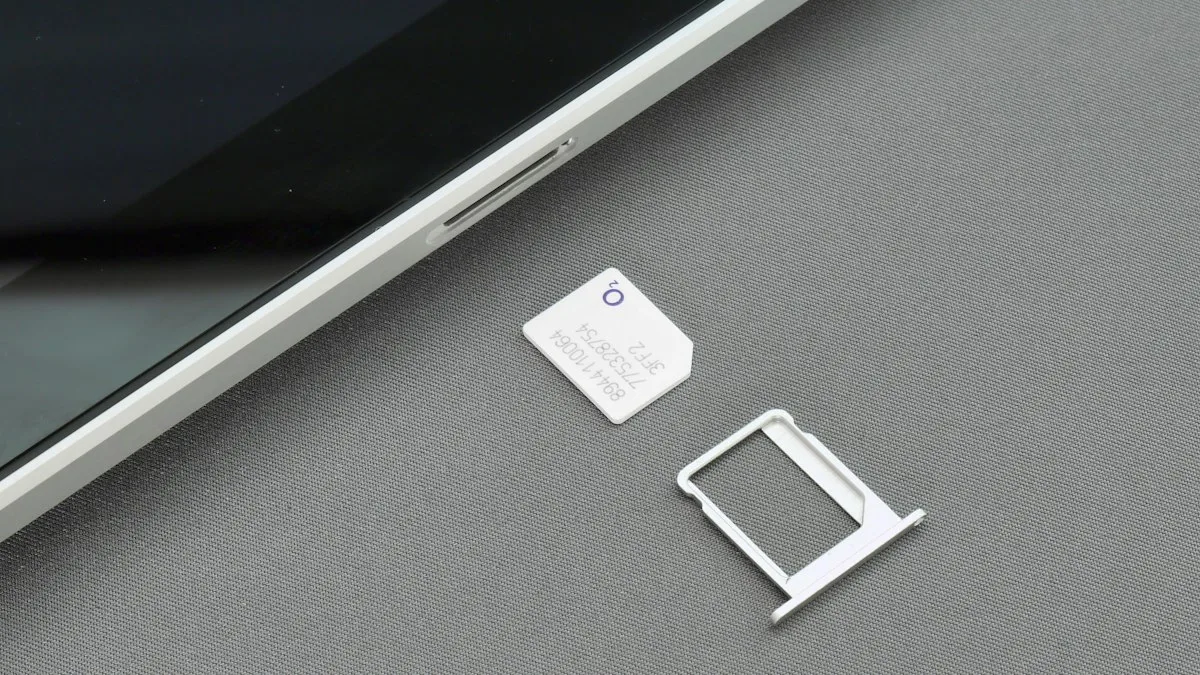
Clean a SIM card on iPhone
Clean an iPhone SIM card and tray safely with a dry lint free cloth. Learn what to avoid, how to test the SIM, and when to get a new one if your iPhone says No SIM.
Move iCloud backup to Google Drive
You cannot move a full iPhone backup from iCloud to Google Drive, but you can move your photos, files, contacts and calendar. See each method and what to expect.
Find APN settings on iPhone
Find APN settings on your iPhone in Settings › Cellular › Cellular Data Network. Learn why the menu can be missing, what each field means and how to reset it.
How to tell if an iPhone is fake
Check if an iPhone is genuine before you buy. Use the serial number on Apple's Check Coverage page, match the IMEI, review Parts and Service History and check Activation Lock.
More guides you may need

Add a line to your plan
How to add a line to your phone plan on Verizon, AT&T or T-Mobile. See the steps, the fees people forget and how to bring your own phone or move a number in.
Block a number on Android
Block a number on your Android phone from Recents or Phone settings on Samsung and Pixel. Also how to block texts, add a number by hand and unblock later.