

How to speed up a slow iPhone: 10 fixes that make a difference
A slow iPhone usually has a clear cause: a fresh update, full storage, a worn battery or too much running in the background.
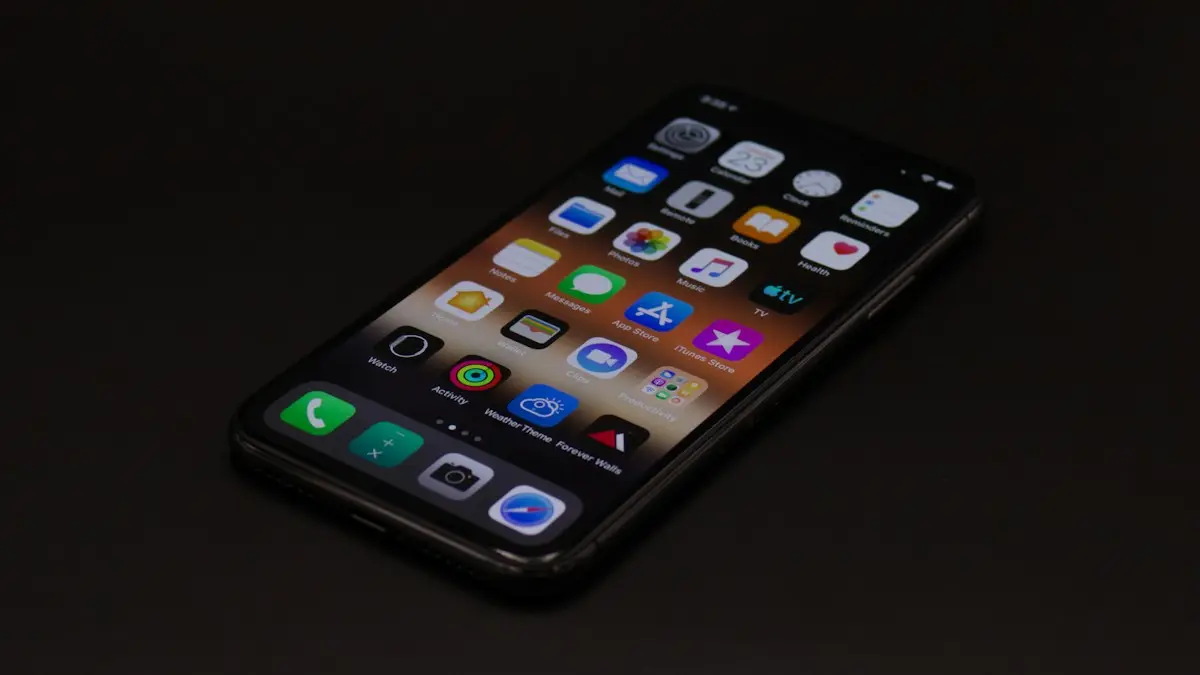
Photo by Maulik Sutariya on Unsplash
Why is my iPhone so slow?
- You just updated iOS and it is still indexing in the background.
- Storage is almost full, so iOS has no room for temporary files.
- The battery is worn and iOS is limiting performance.
- Low Power Mode is on, which slows the processor on purpose.
- The phone is hot, and iOS slows down to cool it.
- Years of apps, caches and old settings have built up, which mostly affects phones that have been restored from backup many times.
Knowing which one applies saves time. If the slowdown started right after an update, wait a day. If the storage bar is nearly full, clear space before anything else. If the phone is three or more years old and shuts down in the cold, look at the battery first.
Is it the iPhone or the internet?
Many “slow iPhone” complaints are really slow connections. If apps open quickly but web pages, feeds and videos crawl, test your connection with a speed test app on Wi-Fi and then on cellular. If one is fine and the other is not, the phone is not the problem. Restart the router, move closer to it, or turn Wi-Fi off to compare. If the phone lags even in airplane mode, when opening the Camera or typing, the slowdown is in the phone itself, and the fixes below apply.
How to speed up your iPhone
The fix
10 fixes, easiest first
- 1
Restart the iPhone.
A restart clears temporary files and stuck processes.
- 2
Give it a day after an update.
Leave it charging overnight on Wi-Fi so background indexing can finish.
- 3
Free up storage.
Check Settings › General › iPhone Storage. Our guide to clearing iPhone storage shows the quickest wins.
- 4
Update iOS and your apps.
Install updates in Settings › General › Software Update, then tap Update All in the App Store.
- 5
Turn off Low Power Mode.
If the battery icon is yellow, go to Settings › Battery and switch it off.
- 6
Check battery health.
In Settings › Battery › Battery Health & Charging, look at Peak Performance Capability. If it mentions performance management, a new battery will restore full speed.
- 7
Remove widgets you do not need.
Live widgets refresh constantly. Press and hold a widget and tap Remove Widget.
- 8
Limit Background App Refresh.
Go to Settings › General › Background App Refresh and turn it off for apps that do not need it.
- 9
Turn on Reduce Motion.
Go to Settings › Accessibility › Motion and turn on Reduce Motion. Animations become simpler, which makes the phone feel faster.
- 10
Clear Safari data.
Go to Settings › Apps › Safari › Clear History and Website Data if browsing feels slow.
How much free storage does an iPhone need?
There is no official number, but an iPhone with less than a few gigabytes free often slows down, because iOS needs room for caches, updates and temporary files. Aim to keep at least 10% of the total free. On a 128 GB iPhone, that is around 13 GB. The iPhone Storage screen lists recommendations such as offloading unused apps and removing old message attachments, and the biggest apps are at the top of the list.
Settings that make an iPhone feel faster
- Reduce Motion: simpler animations when opening and closing apps.
- Reduce Transparency: in Settings › Accessibility › Display & Text Size; removes blur effects that take extra work to draw.
- Fewer Home Screen widgets: each live widget refreshes in the background.
- Location Services: in Settings › Privacy & Security, set apps that do not need constant location to While Using or Never.
None of these change the actual processor speed, but together they make an older iPhone feel noticeably smoother day to day.
Skip “cleaner” and “booster” apps
The App Store has many apps that promise to clean, boost or speed up an iPhone. iOS does not let apps clear other apps’ data or system files, so they cannot do what they claim. Most mainly find duplicate photos and push an expensive weekly subscription. Everything they can do, you can do free with the steps in this guide. If you already subscribed, see how to cancel subscriptions on iPhone.
Only one app is slow
If the rest of the phone is fine, the app is the problem. Update it in the App Store, then force close it and reopen it. If it is still slow, offload it in Settings › General › iPhone Storage by tapping the app and choosing Offload App, which keeps your data, then reinstall it. Social and messaging apps build up large caches over time, and clearing them often helps. See how to clear cache on iPhone.
Keyboard lag when typing
A keyboard that freezes or lags behind your typing is common on phones that have been in use for years. Go to Settings › General › Transfer or Reset iPhone › Reset › Reset Keyboard Dictionary. It removes the words the keyboard learned, but not your data, and often cures the lag. Removing third-party keyboards you no longer use also helps.
Heat slows every iPhone
When an iPhone gets hot, iOS lowers processor speed and screen brightness to cool it down. Gaming while charging, navigation on a sunny dashboard, or a thick case can trigger it. Let the phone cool for a few minutes and it speeds back up on its own. If it runs hot during light use, see why your iPhone is getting hot.
Signs it is a hardware problem
- The phone freezes completely or restarts on its own. See why an iPhone keeps restarting.
- It slowed down suddenly after a drop or water exposure.
- The screen stops responding in one area while the rest works.
- It gets hot even when idle and the battery drains fast.
In these cases software fixes rarely help. Back up and book a diagnostic with Apple or an Apple Authorized Service Provider.
Keep it fast: a monthly habit
Once a month, restart the phone, install any iOS and app updates, check that storage has room to spare, and delete apps you have not opened in months. Glance at battery health a few times a year. These five minutes prevent most slowdowns from building up in the first place. It also means that when something does go wrong, you have a recent backup and an up-to-date phone, which makes any fix quicker and safer to try.
Last resort: erase and set up as new
- 1
Back up to iCloud or a computer.
How to back up your iPhone covers both.
- 2
Make sure photos, contacts and notes are in iCloud or another service.
- 3
Erase the iPhone.
Go to Settings › General › Transfer or Reset iPhone › Erase All Content and Settings.
- 4
Set it up as a new iPhone and sign in with your Apple Account.
Your iCloud data comes back automatically. Reinstall only the apps you use.
Setting up as new, rather than restoring a backup, leaves behind old caches, settings and leftover files from apps you deleted long ago. It takes longer, so save it for when nothing else works.
When is an iPhone too old?
An iPhone that no longer gets the latest iOS version still works, but apps gradually expect newer hardware, and security updates eventually stop. If yours is in that group and feels slow after every fix, a battery replacement buys time, but an upgrade may be the better value. Check whether a battery replacement is worth it and what your iPhone is worth in trade-in before deciding.
Frequently asked questions
Why is my iPhone slow after an update?
After a major update, iOS re-indexes photos, messages and files in the background for a day or two. The phone can feel slow and warm during that time. Keep it charging overnight on Wi-Fi and it usually settles down.
Does closing apps speed up an iPhone?
Not usually. iOS pauses apps in the background on its own. Only close an app if it has frozen or is misbehaving.
Can an old battery slow down my iPhone?
Yes. When a battery is worn, iOS may limit peak performance to prevent sudden shutdowns. Check Peak Performance Capability in Settings › Battery › Battery Health & Charging.
Does resetting an iPhone make it faster?
Sometimes. Erasing and setting it up as new, without restoring a backup, clears years of leftover data and can help an older phone. Try the other fixes first, and back up before you erase.
What to try next
Related guides
iPhone stuck on Preparing to Transfer
iPhone stuck on preparing to transfer during setup? Learn how long to wait, what to check on both phones and how to use iCloud or a computer instead.
iPhone stuck on Update Requested
iPhone stuck on update requested and not downloading? Check Wi-Fi and storage, delete the update, reset network or update from a computer. 7 fixes.
iPhone contacts missing
iPhone contacts missing or disappeared? Check your Lists, iCloud and Gmail sync, then restore contacts from iCloud.com or a backup. 7 ways to get them back.
iPhone Mail not updating
iPhone Mail not updating or not syncing new emails? Check Fetch settings, Background App Refresh, Low Power Mode and storage, then re-add the account. 8 fixes.
More guides you may need
iPhone keeps asking to trust this computer
iPhone keeps asking to trust this computer every time you plug in? Learn the three real causes and Apple's six-step fix to make the alert stop for good.
iPhone keyboard not showing up
iPhone keyboard not showing up in Messages, Safari or another app? Disconnect Bluetooth, remove extra keyboards, reset the dictionary and try 5 more fixes.